
手洗
Wash by hand
Warm water, a mild detergent and a soft cloth. Avoid abrasive pads and scouring powder — they will dull a glaze that took a kiln to make.

Every piece leaves Jingdezhen packed individually and usually reaches you in 7–13 working days. What follows is how it travels, and how to live with it.
Every piece ships direct from Jingdezhen, China, where it was made — there is no warehouse in between. Because these are hand-made objects in small numbers, each one is wrapped and boxed individually rather than picked off a shelf.
Orders usually reach you in 7–13 working days. Shipping is £5.99, and free on orders of £150 or more. Duties and import taxes are ours to carry, not yours — there is nothing left to settle when the parcel reaches your door.
If anything arrives broken, photograph the piece and the packaging before unpacking further and contact us. We will send a replacement, or refund you in full — your choice. Breakage in transit is rare, but porcelain is porcelain, and we would rather fix it than argue about it.
These are objects meant to be used, not shelved. A little care keeps them usable for a very long time.
Warm water, a mild detergent and a soft cloth. Avoid abrasive pads and scouring powder — they will dull a glaze that took a kiln to make.
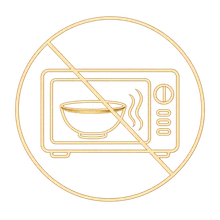
Pieces with gold, iron-red overglaze or kintsugi-inspired repair detail must never go in a microwave, and should not go in a dishwasher. The metallic detail will degrade long before the porcelain does.

Don't pour boiling water into a cold vessel, or move a piece straight from the fridge to a hot oven. Warm it gradually. Thin-walled porcelain is strong, but thermal shock is what breaks it.

Don't stack unprotected — a cloth or felt pad between pieces is enough. Thin-walled work is most vulnerable at the rim, which is also the part you hold.

Glaze pooling, small kiln specks, slight asymmetry and shifts in the depth of the blue are evidence of a hand and a fire, not of a defect. No two pieces from the same studio are identical, and that is the point.